
The Psychological Tricks of Casino Design
Casinos employ intricate psychological strategies to enhance player engagement and prolong gaming sessions. The layout of many casinos often resembles a maze, which is intentionally designed to obscure exits and encourage exploration. By making it challenging for players to navigate their way out, casinos effectively increase the likelihood that individuals will discover fast payout casinos or return to familiar favorites. This immersive environment can lead players to lose track of time, entrenching them deeper into their gaming experience.
Additionally, vibrant colors and bright lights are prominently used within casinos to create a stimulating atmosphere. These visual elements are not just for aesthetics; they serve to captivate players’ attention and keep them entertained. The constant visual engagement helps to distract players from the passing time, encouraging them to stay longer without realizing how much time has actually elapsed. The combination of these visual strategies fosters an environment that is both lively and immersive, drawing players in for extended periods.
Moreover, sound design plays an equally significant role in the casino experience. The deliberate use of upbeat music and enticing sound effects—like the chime of coins or celebratory jingles—creates an ambiance filled with excitement. These auditory cues can elicit positive emotional responses, reinforcing the desire to continue playing. When players associate these sounds with potential victories, it enhances their overall enjoyment and perpetuates the cycle of engagement, making them less inclined to leave the gaming floor.
The Role of Rewards and Incentives
Casinos have mastered the art of incentivizing extended gameplay through a variety of rewards programs. One common strategy is the implementation of loyalty programs, where players accumulate points based on their betting activity. These points can be exchanged for a range of perks, from complimentary meals and hotel stays to exclusive event access. This tangible reward system creates a compelling reason for players to stay longer, as they are driven by the potential benefits they could gain during their visit.
In addition to loyalty programs, casinos frequently host promotional events that introduce an element of urgency and competition among players. Limited-time offers, such as increased rewards for certain games or special tournaments, create a sense of excitement and encourage players to maximize their time spent gaming. This competitive atmosphere not only fosters camaraderie among participants but also enhances the thrill of the gaming experience, making players more likely to engage for longer durations.
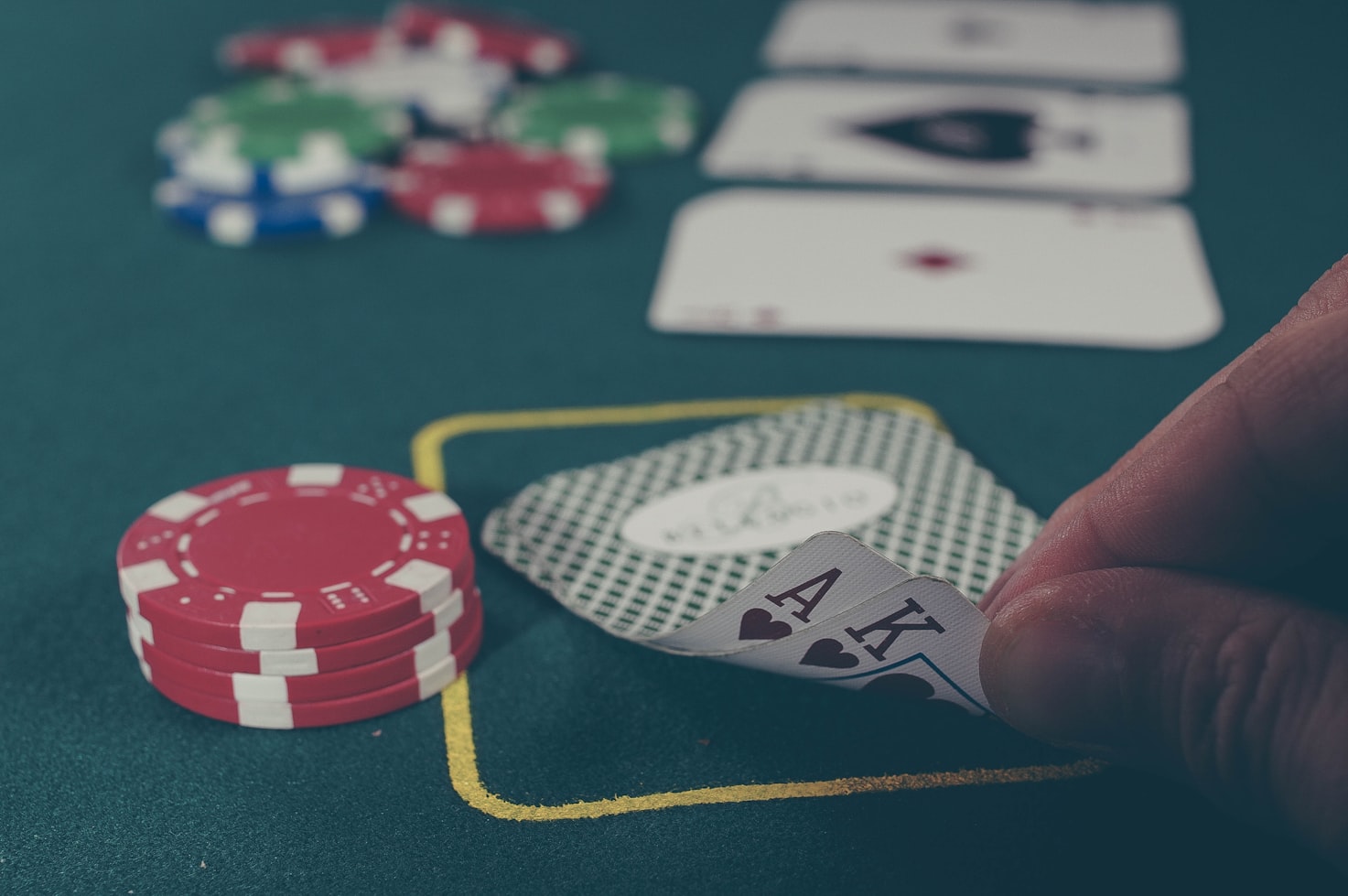
The psychological principle of loss aversion also significantly influences player behavior in casinos. When players are in the midst of a game, they often experience a reluctance to leave because they fear missing out on potential wins or rewards they have already accrued. This fear keeps players glued to their seats, often leading them to continue playing even in the face of losses. The intricate interplay of rewards and emotional responses is a powerful driving force that encourages prolonged engagement in the casino environment.
The Importance of Ambiance and Environment
The ambiance of a casino is meticulously crafted to enhance the player’s experience and encourage extended stays. Elements such as lighting, color palettes, and even scent are thoughtfully designed to create an inviting and exhilarating atmosphere. For instance, soft lighting in certain areas can foster a sense of intimacy, while brighter lights draw focus to gaming tables and machines, making them more appealing. This careful orchestration of sensory elements not only captures attention but also enhances the overall enjoyment of the gaming experience.
Moreover, the layout of seating and gaming machines is strategically planned to promote comfort and accessibility. Comfortable chairs and well-placed machines encourage players to settle in and get comfortable, which in turn extends playtime. When players feel physically relaxed and mentally engaged, they are more likely to immerse themselves deeply in the games, resulting in longer gaming sessions. The environment itself becomes a significant factor in how long players choose to stay and play.
Sensory experiences, including the aroma of freshly prepared food and the overall cleanliness of the venue, further contribute to a welcoming atmosphere. These elements create a sensory-rich environment that makes players feel at ease and engaged. The more enjoyable and comfortable the setting, the less likely players are to leave, thus maximizing the duration of their casino experience. This combination of physical comfort and sensory engagement is vital in promoting longer visits.
The Influence of Social Interaction
Social interaction plays a crucial role in extending the time players spend in a casino. Many popular games, like blackjack and poker, inherently involve interaction among players, creating an engaging social environment. This camaraderie not only enhances the enjoyment of the game but also fosters a sense of belonging. When players engage with others, they are more likely to remain connected to the gaming experience, which can lead to longer play sessions.

Casinos also capitalize on this social aspect by creating communal spaces designed for interaction. Bar areas, lounges, and group gaming tables encourage players to gather and socialize, making the overall experience more enjoyable. The presence of other players contributes to a lively atmosphere that enhances engagement and prolongs play. This social dynamic not only enriches the individual gaming experience but also builds a sense of community among players.
Furthermore, the inclusion of live dealers in games adds an interactive layer that makes the gaming experience more dynamic. Engaging with a live dealer or fellow players creates excitement that is often lacking in solitary gaming experiences. This added level of interaction can encourage players to invest more time in the casino, as they desire to prolong the enjoyment of social engagement. The social fabric of the casino is a key factor that keeps players returning and engaged for extended periods.
Conclusion: Understanding Casino Strategies for Longer Play
Understanding the strategic design and operational tactics employed by casinos is essential for grasping why they are configured to keep players engaged for longer periods. From the psychological tricks embedded in the layout to the intricate rewards systems and vibrant social interactions, each aspect of the casino experience is carefully crafted to enhance player engagement. This knowledge not only illuminates the inner workings of casino operations but also empowers players to make informed decisions regarding their gaming habits.
Being aware of these strategies can help individuals recognize the potential implications of prolonged casino visits on their time and finances. By understanding the elements that draw them in, players can consciously shape their experiences and set limits to ensure that their time at casinos remains enjoyable and responsible. Ultimately, while casinos thrive on player engagement, it is crucial for individuals to maintain awareness of their own gaming practices and make choices that align with their personal values and goals.
This awareness can further lead to a more enriching experience, allowing players to enjoy the excitement of gaming while also being mindful of their limits. By taking proactive steps, individuals can navigate the casino landscape effectively, maximizing their enjoyment while minimizing potential drawbacks. A balanced approach to gaming, informed by an understanding of these strategies, can transform casino visits into positive experiences that entertain and engage without compromising personal well-being.